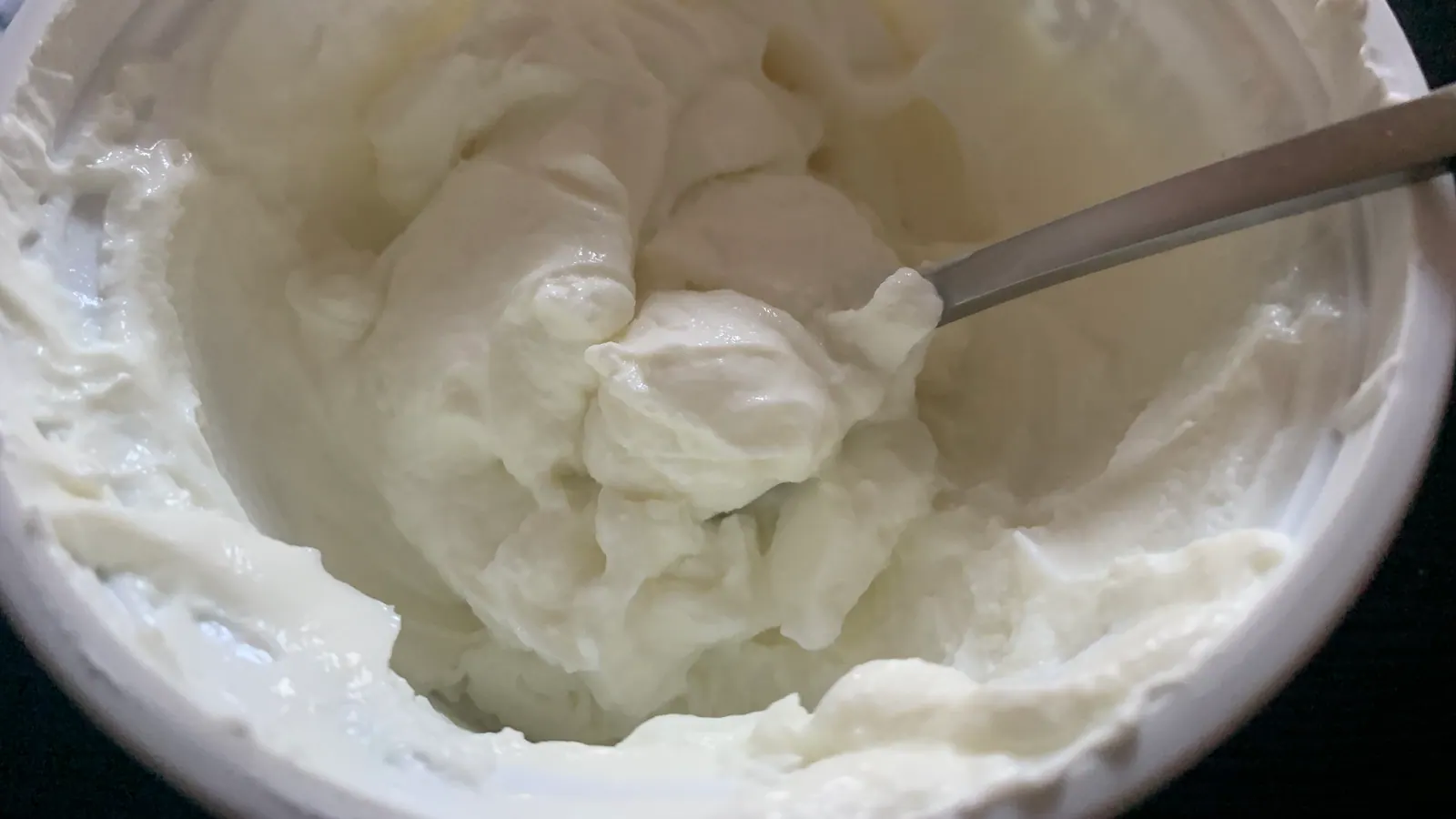

Skyr is a cultured Icelandic dairy food, usually thick and tart enough to make a spoon stand to attention. The plain version is a useful breakfast ingredient, and a sweetened fruit pot is a different proposition altogether. Try one of each before you decide what you think of the whole shelf.
Calling it “Icelandic yogurt” will get you to the right refrigerator, but it will not tell you which tub to buy. Plain, flavoured, drinkable and dessert-style products can differ a lot in texture, sweetness and ingredients.
Find the plain one first
Look for hreint, which means plain, and ignore the picture of vanilla. For a concrete example, Ísey’s plain skyr lists skimmed milk and skyr cultures. We mention it as a baseline for ingredients. It has not won any taste test here, because we have not run one.
Plain skyr can be dense and noticeably sour. Have a spoonful as it is, then add a little milk, cream, fruit or whatever else you like. Change one thing at a time, and you will learn whether you dislike skyr itself or just prefer a looser, sweeter breakfast.
Flavoured pots are easier to eat straight. Read the label if added sugar, sweeteners, lactose or protein matter to you, because being called skyr does not give every version the same nutrition.
A first shop that does not fill the fridge
Buy one small plain pot and one flavoured version that appeals. If a drinkable one catches your eye, treat it as a third format and not as a stand-in for the other two.
Then buy for the morning you will actually have. A big tub works in a kitchen with bowls and fruit. A small pot is handier before a bus journey, as long as you also have a spoon. Check the storage label, and whether your accommodation has a fridge, before stocking up.
For value, compare price per kilogram. For nutrition, compare the same basis, usually per 100 grams, because one pack may boast about the protein in the whole container while its neighbour uses a smaller serving. The biggest number on the front is often not the one you want.
An old food that has changed
Food-research organisation Matís describes skyr’s history as a way to use up skimmed milk after the cream had gone to butter. Its researchers think skyr in early Iceland was probably sourer and thinner than the modern product.
Keep that in mind when packaging hints at a single ancient recipe. A Matís preliminary study of home-made and factory-made skyr found differences in sensory qualities and microbial populations. It was a small exploratory comparison, and it does not prove that home-made is always better or that one supermarket brand is uniquely authentic.
The tradition is real, and production has changed. You can enjoy both facts without expecting a strawberry snack pot to reproduce a farm kitchen from centuries ago.
Is it yogurt or cheese?
Skyr is cultured and strained or concentrated. Production methods and classifications vary, and the word alone does not settle every product sold internationally. For breakfast purposes, the useful information is on the ingredient list and in the pot.
You do not have to win this argument to enjoy it. Taste the plain one, notice what you would add, and give the flavoured one a fair go on its own terms. If neither appeals, choose another breakfast. Iceland has no compulsory skyr examination.
Our grocery-shopping guide helps with the rest of the basket. One interesting pot and some food you know you will eat make a better first purchase than a fridge full of experiments.